A paddle can look finished while still carrying an avoidable production error. The blade may sit at the wrong angle, the connection may not fit cleanly, or the print may differ from the approved artwork. Those problems begin before final inspection.
For an OEM order, paddle manufacturing should follow one controlled reference through component preparation, finish, assembly and packing. The precise route depends on the model. A plastic blade with an aluminum shaft does not use the same forming steps as a molded composite paddle.
When I review a new order, I start with the handoffs between stages. I want the operator checking the same model, dimensions, artwork and assembly orientation that the buyer approved. A clear handoff prevents a small change from becoming a finished batch.
01 / Release point
What must be fixed before paddle production starts?
Production should begin from an identified model, an approved sample or drawing, and a written specification that describes the same product. The reference needs to cover the blade, shaft, connection, dimensions, finish, artwork and packing format.
A buyer does not need to dictate every factory operation. The brief does need to make commercial decisions visible. If the blade color is fixed but the print position is still open, mark that difference. If a test is required, state the method and acceptance rule before production rather than after a result is reported.
The Vision Sports manufacturing page explains how the approved sample and written specification move with the order. This article follows one common plastic-blade route in more detail. Composite and wood paddles require model-specific process confirmation.
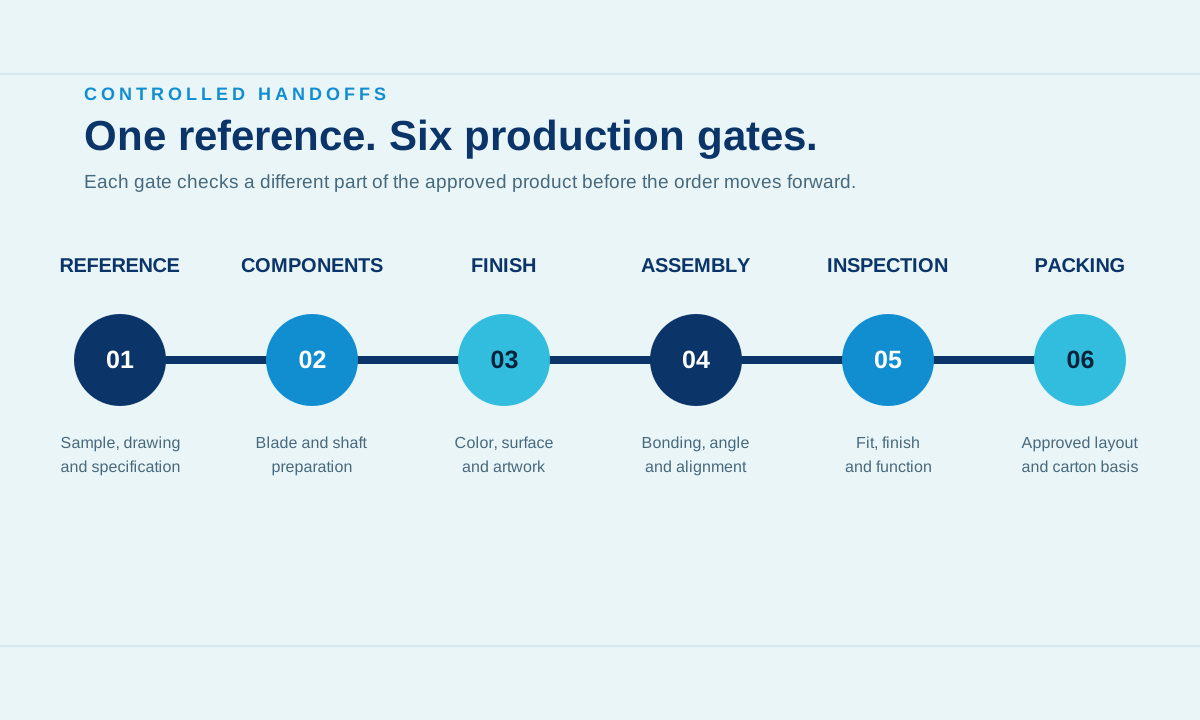
The process idea is consistent with ISO's explanation of a process approach to quality management: identify processes, define responsibilities, control variation and use evidence to evaluate performance. This link is a general reference, not a claim that a particular order or factory is certified to ISO 9001.
02 / Blade route
How does a plastic paddle blade move from molding to inspection?
An injection-molded blade starts as a defined material and mold combination, then needs visual and dimensional checks before it becomes an assembly component. Color, profile, throat geometry and surface condition all belong to the selected model.
In thermoplastic injection molding, pellets are melted, injected into a closed mold and cooled before the part is removed. The basic sequence is described in the US Occupational Safety and Health Administration's injection molding machinery guidance. For the buyer, the important point is simpler: a material name does not replace an approved molded part.
Confirm the molded reference
Match the model, blade profile, color direction and throat geometry to the released specification or sample.
Review the visible part
Look for breakage, cracks, incomplete or damaged areas, unwanted marks and other surface conditions defined for the order.
Hold the component for its next operation
Keep accepted blades identified so printing and assembly use the correct version rather than a similar-looking part.
03 / Shaft route
What happens to the paddle shaft before assembly?
The shaft is brought to the specified dimensions, then drilled or slotted where the selected connection requires it. Material, diameter, length, hole position, slot direction and section format need to stay tied to the same model.
For an aluminum shaft, the production information also needs to identify the required surface direction, such as painting or anodizing. Fiberglass and carbon fiber shafts require their own model-specific construction confirmation. The paddle materials and construction guide separates these blade, shaft, connection and finish fields so the words do not get merged into one vague label.
A connection hole that is only a few millimeters away from the intended position can change the assembled length or interfere with the lock. That is why I treat the shaft drawing and the assembled sample as a pair. One defines the component; the other shows whether the complete system works.
Overall or section length, diameter and any buyer-agreed tolerance.
Hole, slot or other feature required by the selected connection.
Relationship between machining, blade angle, grip and printed marks.
No crack, split, visible damage or finish defect outside the approved limit.
04 / Appearance control
How should finish and logo printing be controlled?
Finish and artwork need their own references. A color name in an email is rarely enough to control a surface, and a logo file does not define its location, scale or print coverage.
State the finish direction
For an aluminum shaft, identify whether the approved reference is painted or anodized. Add the color and visual standard used for review.
Approve the applied graphic
Confirm the file, size, position, orientation and appearance on the actual blade or shaft surface.
Define the required check
If abrasion, adhesion, fading or another durability requirement matters, provide a test method and acceptance rule that both teams can review.
The Aluminum Anodizers Council's bulletin on specifying anodized finishes lists formal designation systems for anodic coatings. Buyers do not need to copy a designation blindly, but the bulletin shows why the single word "anodized" is not a complete appearance or performance specification.
Printed logos and patterns should be checked for the approved position and for visible peeling or detachment. If the buyer needs a quantified durability result, that requirement must be added separately. A normal visual inspection cannot stand in for an undefined abrasion or weathering test.
05 / Assembly gate
Why is blade-to-shaft alignment a production checkpoint?
Alignment controls the relationship between the blade, shaft, connection and grip, so it should be checked while the adhesive joint can still be positioned correctly. Final appearance alone will not prove that the angular and axial orientation matches the approved paddle.
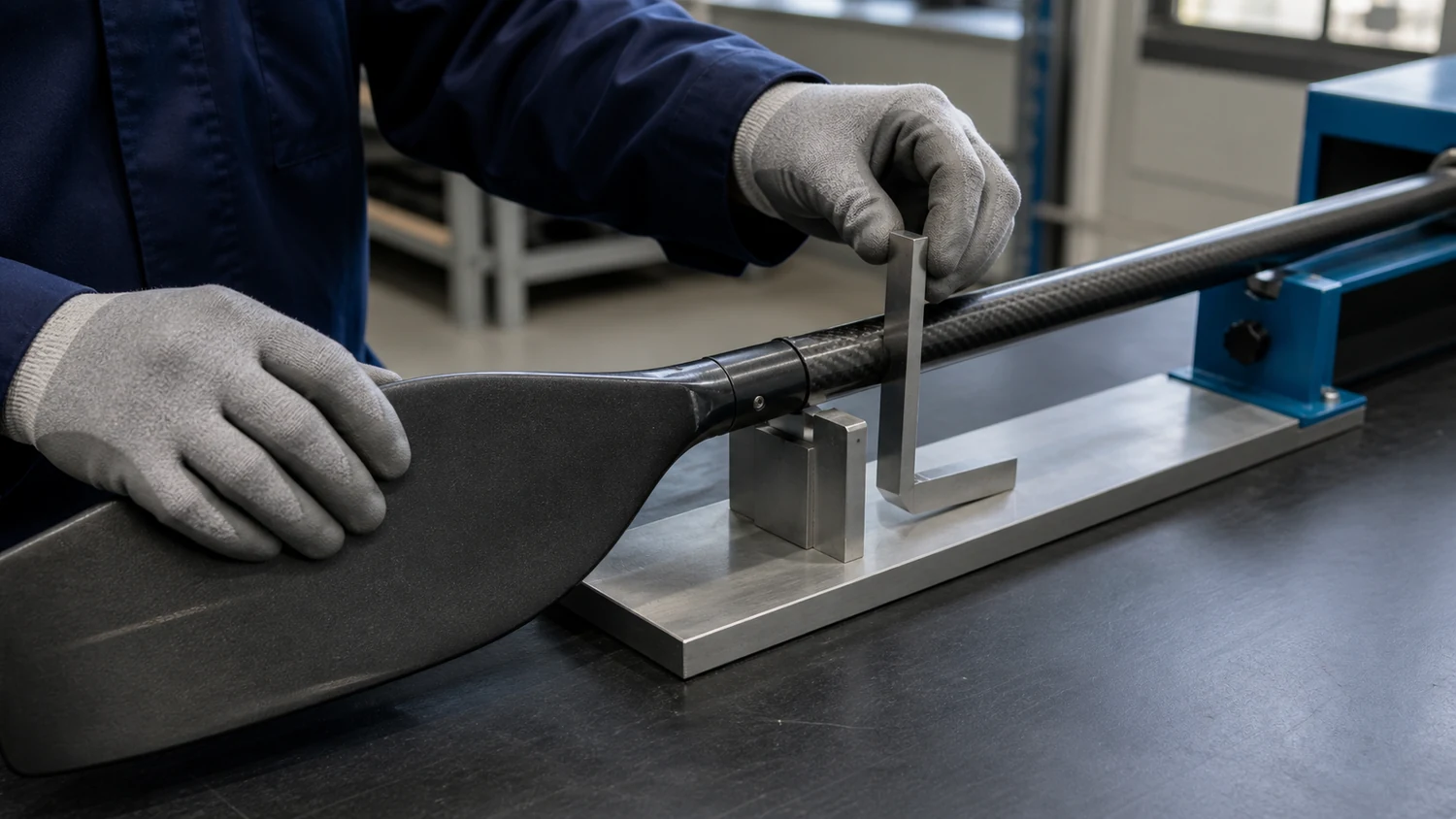
For bonded construction, the assembly stage includes adhesive application, component insertion and positioning. The relevant checks are practical: the blade should not be twisted from the specified angle, the handle or opposite blade should follow the correct orientation, and excess adhesive should not remain on the finished surface.
Trial assembly and disassembly are especially useful for two-piece, three-piece and four-piece paddles. The connection should fit and operate in the format the buyer approved. That review should include the assembled product and the packed section layout, not one loose ferrule on a bench.
06 / Inspection plan
Which paddle quality points belong in the inspection plan?
The inspection plan should name the characteristic, the reference, the stage and the acceptance rule. The factory source behind this article identifies five recurring areas: alignment, material integrity, surface condition, adhesive bonding and logo durability.
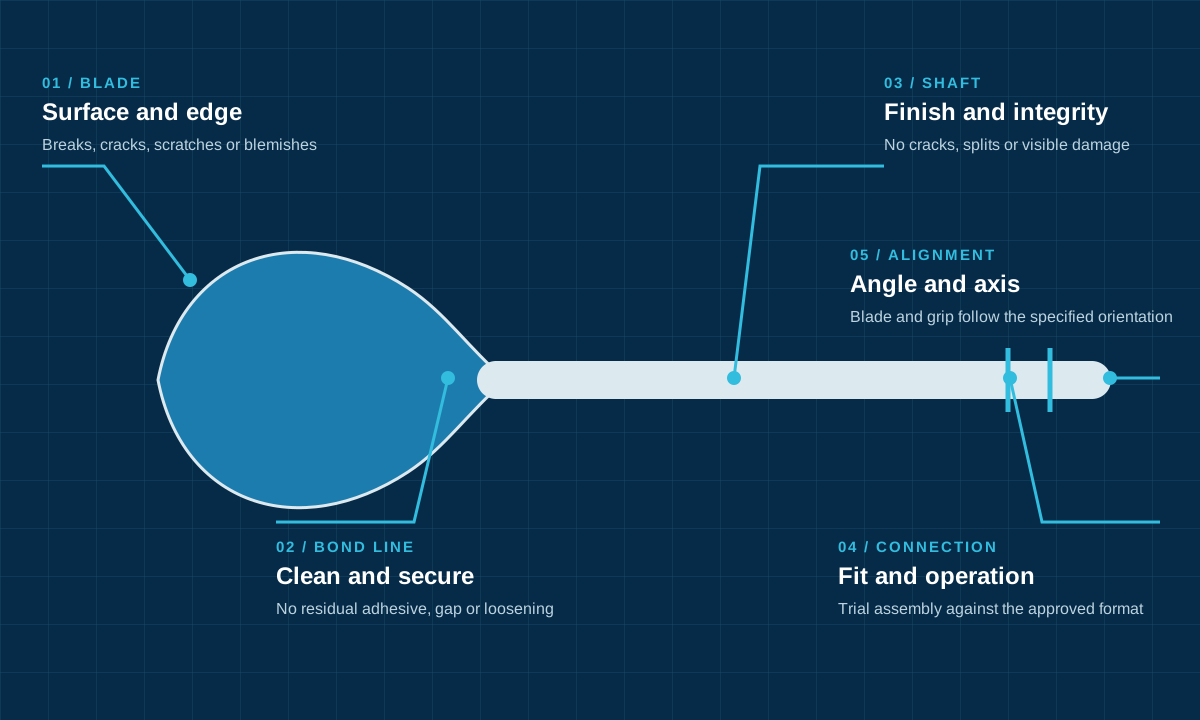
Compare blade, shaft and handle or opposite blade orientation with the approved product.
Check plastic blades for breakage and composite shafts for cracks, splits or other visible structural defects.
Look for residual adhesive, scratches, blemishes and finish differences outside the agreed visual standard.
Check for visible gaps, loosening, delamination or poor fit, then perform the agreed assembly operation.
Compare position and appearance with the approved reference and apply any separately defined durability check.
If a buyer requests recorded dimensions or force results, the method and instrument control matter as much as the number. NIST's explanation of measurement traceability notes that traceability belongs to a documented measurement result, not simply to an instrument. Most paddle orders will not need a metrology report at that level, but the principle is useful: record what was measured and how.
07 / Final handoff
What should happen before the paddle is packed?
The finished paddle should be trial-fitted, visually inspected and matched to the approved packing method before it enters the shipping carton. Packing is part of the product specification because section count and protection can change the commercial result.
The supplied factory procedure lists two directions: a plastic bag with carton packing, or kraft paper followed by a plastic bag. These are process examples, not universal recommendations. The chosen model, buyer requirement and shipping route determine the approved format.
Correct model, length, section count, connection and artwork.
Approved bag, wrap, separators and protection between components.
Quantity, arrangement, label information and any agreed carton limit.
Final checklist, photos or other order-specific evidence when requested.
The US Consumer Product Safety Commission's voluntary manufacturing best practices recommend detailed specifications, supply-chain controls and documentation for consumer products. Applicable legal duties still depend on the product, user group and destination market, so the buyer should identify them rather than assume one inspection list covers every country.
For an OEM project, the safest release is boring in the best way: the packed unit matches the approved sample, the written specification and the commercial carton basis. If one of those references has changed, update the others before repeat production. The OEM paddle service process shows where sampling, branding, manufacturing and packaging decisions can be reviewed together.
Buyer questions
Frequently asked questions about OEM paddle manufacturing
Does every paddle use the same manufacturing process?
No. This walkthrough describes a common route for paddles with injection-molded plastic blades and prepared shafts. Fiberglass, carbon fiber and wood constructions use different forming and finishing steps. The selected model and approved construction must define the actual route.
What should a buyer approve before mass production?
Approve the reference model or sample, dimensions, blade and shaft construction, section format, connection, artwork, finish, packing layout and any defined inspection or test requirements. Record changes in writing before the affected stage begins.
Is final inspection enough to control paddle quality?
Final inspection can find visible problems, but it cannot replace checks made while components are prepared and assembled. Alignment, bonding and finish are easier to control when the production reference is available at the relevant station.
Can a buyer request a paddle strength test?
Yes, but the request should name the test object, fixture, load direction, conditioning, duration, acceptance criterion and record needed. A vague request for a strong paddle does not create a repeatable test method.
What packing details belong in the production specification?
State the section layout, protection between parts, bag or wrap format, carton quantity, labels, carton dimensions when relevant and the approved arrangement. The packed sample should match the commercial and shipping assumptions used for the order.
Conclusion
What should a buyer request from an OEM paddle factory?
Request a process that can point back to the approved product at each important handoff.
Start with one model, sample or drawing and one written specification. Define the blade, shaft, connection, finish, artwork, inspection points and packing format. Then ask which checks happen during preparation, assembly and final review. That answer is more useful than a generic promise of strict quality control.
Send a production brief